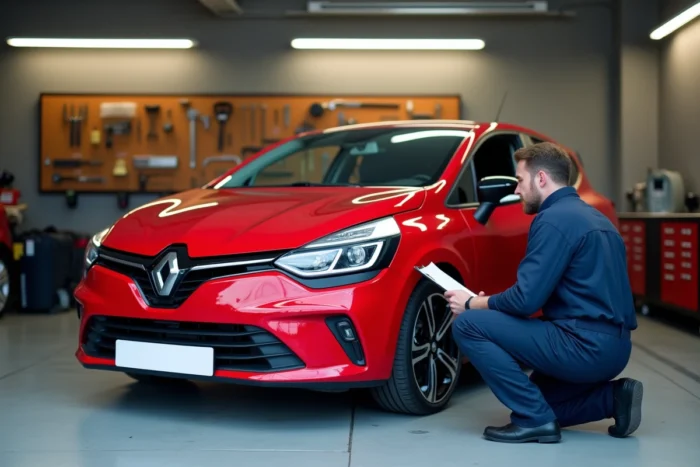
The Clio 3 phase 2 remains one of the most common city cars in the French automotive market. Its regular maintenance directly affects its mechanical longevity and resale value. The redesigned front end and the modified interior presentation compared to phase 1 involve some specifics to know to avoid compatibility errors when replacing parts.
Here are ten concrete actions, most of which can be done at home, that help keep your vehicle in good condition on a daily basis.
1. Check the compatibility of phase 2 parts before any purchase

The Clio 3 phase 2 shares a technical base with phase 1, but several elements differ: front optics, bumpers, interior trims, references for certain sensors. Ordering a phase 1 part by mistake can lead to impossible installation or a fixation defect.
Before placing an order, always note the OPR number (manufacturer reference) engraved on the original part or listed in the maintenance booklet. Online catalogs from specialized distributors filter by phase, but a manual check of the reference remains the most reliable method. To delve deeper into the subject, several tips for maintaining the Clio 3 detail the differences between phases and the references to prioritize.
2. Adhere to the engine oil change frequency according to the engine type

The oil change is the most critical maintenance operation for the engine’s lifespan. For the 1.2 16V petrol engines, Renault recommends a shorter interval than for the 1.5 dCi diesel, which tolerates a slightly longer interval due to a larger oil volume.
Use oil that meets the standard indicated in the maintenance booklet. A viscosity deviation, even minimal, can accelerate internal wear on these small engines. Replace the oil filter at every oil change, without exception: a saturated filter negates the benefits of new oil.
3. Check tire pressure every month
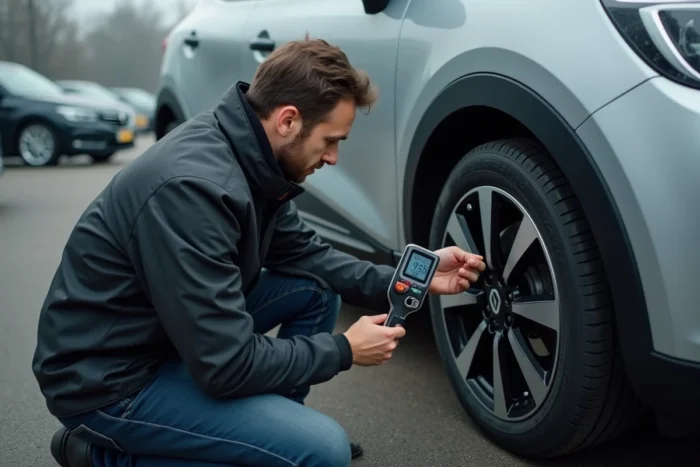
The recommended pressure is listed on the label attached inside the driver’s door or inside the fuel flap. A slight under-inflation of a few tenths of a bar is enough to degrade road handling and increase fuel consumption.
The monthly cold check is a daily safety gesture, not just a precaution before a long trip. A portable gauge is inexpensive and allows you to avoid sometimes poorly calibrated gas station pumps.
4. Visually monitor brake pad wear

On the Clio 3 phase 2, the front pads wear out faster than the rear due to the distribution of braking. A visual inspection through the rims allows you to spot a thinned pad without removing the wheel.
If the thickness of the pad approaches the metal wear indicator, replacement becomes urgent. Field reports vary on the exact lifespan depending on driving style, but a check every two to three months avoids unpleasant surprises. Replacing the front pads is one of the operations that can be done at home with basic tools.
5. Replace the air filter according to the driving environment
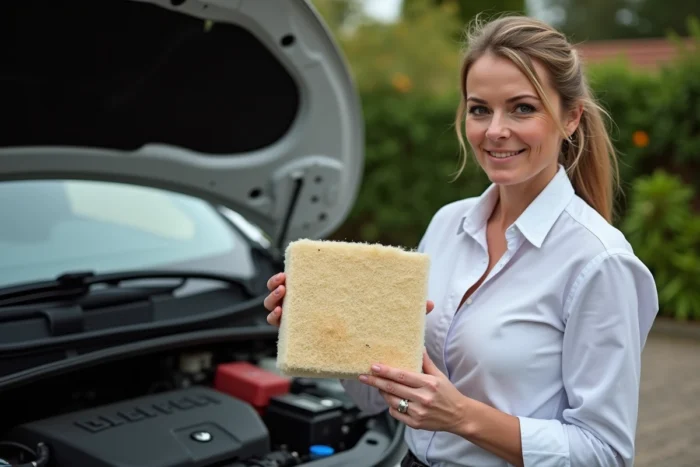
A clogged air filter reduces intake flow and degrades engine performance. On the 1.5 dCi, the impact translates into a noticeable loss of torque at low revs. On petrol versions, overconsumption appears first.
In dense or dusty urban environments, shorten the replacement interval compared to manufacturer recommendations. The operation takes a few minutes: the filter housing is accessible without specific tools on most Clio 3 engines.
6. Keep the cooling system under surveillance

The coolant level should be checked when the engine is cold, via the translucent expansion tank located in the engine compartment. A regular drop in the level signals a leak that needs to be located without delay, to avoid overheating.
Also check the condition of the hoses: a cracked or swollen hose indicates an imminent rupture. The replacement of the coolant follows an interval specified in your Renault vehicle’s maintenance booklet.
7. Inspect and replace wiper blades before winter

Worn wipers leave streaks, reduce visibility, and can scratch the windshield. On the Clio 3 phase 2, the wiper blade format differs slightly from phase 1 (length and type of attachment), hence the importance of checking the reference before purchase.
Replace them at least once a year, ideally before the cold season. A windshield in good condition combined with new wipers significantly improves safety in rainy or foggy weather.
8. Check the vehicle’s complete lighting every week
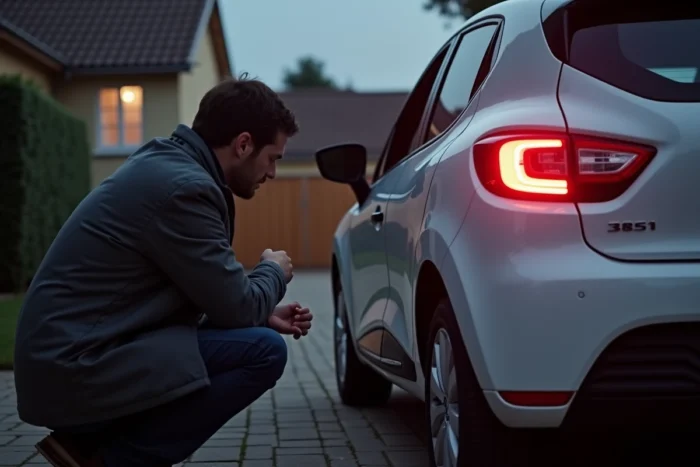
A burnt-out bulb can easily go unnoticed by the driver. Low beams, sidelights, turn signals, brake lights, and license plate illumination: a complete round takes two minutes with the help of someone positioned behind the vehicle.
On the Clio 3, replacing the front bulbs sometimes requires removing the headlight housing to access the socket. Keep a spare bulb kit in the trunk to intervene immediately in case of failure.
9. Read fault codes via the OBD2 diagnostic port

The OBD2 diagnostic port of the Clio 3 phase 2, located under the dashboard on the driver’s side, allows reading engine fault codes with a portable reader. This tool, accessible for a few dozen euros, identifies the source of an illuminated engine light before going to the workshop.
An early diagnosis prevents a minor fault from turning into an expensive repair. The most common codes for this generation concern the injection system, lambda sensors, and the EGR circuit on diesel engines.
10. Regularly clean the interior and bodywork to preserve materials

Cleaning is not just aesthetic. Residues of winter salt attack the bodywork and wheel arches. Inside, dust accumulated in the vents eventually clogs the ventilation system.
- Wash the bodywork at least twice a month in winter to remove salt and acidic projections.
- Vacuum the seats and carpets every two weeks to limit dirt buildup in the fabrics.
- Apply a protective product to the dashboard to slow down the aging of plastics exposed to UV.
The Clio 3 phase 2, produced in large numbers, benefits from a wide network of spare parts and an active community of owners. Each of these ten actions taken individually requires little time, but their cumulative effect over time makes the difference between a reliable vehicle and one that accumulates avoidable breakdowns.